Due parole della Costituzione marocchina aiutano a capire perché ogni crisi intorno a Ceuta e Melilla finisca per diventare qualcosa di più di una questione migratoria.
Sono «حدوده الحقة», hududihi al-haqqa: i suoi «confini autentici».
L’articolo 42 della Costituzione del 2011 affida al re il compito di garantire «l’indipendenza del Paese e l’integrità territoriale del Regno entro i suoi confini autentici». Non dice quali siano. Non nomina Ceuta e Melilla. Ma la formula rimanda a una questione che accompagna il Marocco moderno fin dall’indipendenza.
Con la Spagna, Rabat ha portato avanti nel tempo diverse rivendicazioni territoriali: Tarfaya, Sidi Ifni, Sahara occidentale. Ceuta e Melilla, insieme agli altri territori sotto sovranità spagnola lungo la costa nordafricana, restano il punto sul quale le letture dei due paesi sono inconciliabili.
Per Madrid non c’è nulla da discutere: Ceuta e Melilla sono Spagna. Per Rabat la questione territoriale rimane invece aperta e viene letta nel quadro di una decolonizzazione considerata incompleta.
Non è soltanto storia. È anche geografia.
Hassan II, padre del re attuale, lo spiegava già nel 1980 con una formula destinata a diventare uno degli argomenti della diplomazia marocchina: per il sovrano era inaccettabile, dal punto di vista dell’equilibrio strategico, che «un solo Stato» potesse controllare entrambe le sponde dello Stretto. E collegava esplicitamente la rivendicazione spagnola su Gibilterra a quella marocchina su Ceuta e Melilla.
Quasi mezzo secolo dopo, la geografia non è cambiata.
È cambiato tutto quello che le sta intorno.
Marocco e Spagna sono diventati due paesi profondamente interdipendenti. Commercio, investimenti, immigrazione, sicurezza, lotta al terrorismo. Una grande comunità marocchina vive in Spagna e la cooperazione tra Madrid e Rabat è diventata essenziale per entrambi.
Ed è qui che emerge il primo paradosso.
La Spagna chiede al Marocco di collaborare al controllo di una frontiera la cui sovranità Rabat contesta. Uno dei pilastri della politica migratoria spagnola — e in parte europea — dipende dunque dalla collaborazione del paese che rivendica proprio i territori che quella frontiera delimita.
Un equilibrio che ha funzionato molte volte. Ma anche un equilibrio fragile.
Il 30 luglio quella fragilità è apparsa in tutta la sua evidenza.
In poche ore decine di migliaia di persone si sono dirette verso Ceuta. Giovani, famiglie, minori. Molti sono entrati in acqua. Madrid ha mobilitato le forze di sicurezza e l’esercito. Rabat ha poi contribuito a fermare gli attraversamenti e collaborato ai rientri. Secondo le autorità spagnole, circa 72.000 persone sono entrate a Ceuta e circa 70.000 sono successivamente tornate in Marocco.
Resta da capire perché tutto questo sia accaduto proprio in quel momento. E su questo, almeno per ora, non esiste una risposta definitiva.
C’è una spiegazione sociale: disoccupazione, disuguaglianze e mancanza di prospettive per una parte della gioventù marocchina. A questo si sono aggiunte informazioni, e false informazioni, circolate sui social network sulla possibilità di entrare facilmente a Ceuta.
C’è poi l’ipotesi politica: l’immigrazione potrebbe essere stata utilizzata come strumento di pressione contro Madrid. Il precedente del 2021 rende inevitabile la domanda, ma nel caso del 30 luglio non esistono finora elementi pubblici sufficienti per trasformare un’ipotesi in una certezza.
E c’è una terza lettura, che riguarda il Marocco stesso.
La crisi esplode nei giorni della Festa del Trono, nel momento simbolicamente più importante dell’anno politico marocchino. Le immagini di migliaia di giovani disposti a rischiare la vita per raggiungere Ceuta contrastano inevitabilmente con la narrazione di un paese in crescita, impegnato in grandi infrastrutture e in un rapido processo di modernizzazione.
Anche per questo resta aperta un’altra domanda: quanto di ciò che è accaduto va letto attraverso il rapporto con la Spagna e quanto, invece, attraverso dinamiche interne marocchine?
Intorno alla crisi sono nate anche interpretazioni geopolitiche più ampie.
Dieci giorni prima, il 20 luglio, Pedro Sánchez era stato ad Algeri. Davanti al presidente Abdelmadjid Tebboune aveva definito l’Algeria un «paese amico» e un «partner strategico», segnando una nuova fase nei rapporti tra Madrid e il grande rivale regionale del Marocco.
Poi c’è Washington.
Un rapporto della Commissione Bilancio della Camera dei Rappresentanti americana, datato 30 aprile e collegato al progetto di finanziamento del Dipartimento di Stato per il 2027, prevede almeno 40 milioni di dollari di assistenza al Marocco: 20 milioni per programmi di sicurezza e altri 20 per finanziamenti militari.
Ma subito dopo utilizza una formulazione molto più interessante politicamente.
Il documento definisce Ceuta e Melilla città «amministrate dalla Spagna» situate «in territorio marocchino», ricorda la storica rivendicazione di Rabat e sostiene gli sforzi del Segretario di Stato per incoraggiare un dialogo diplomatico tra Marocco e Spagna sul loro «status futuro».
Non significa che gli Stati Uniti abbiano riconosciuto la sovranità marocchina su Ceuta e Melilla. Non è così. Si tratta del rapporto della Commissione Appropriations della Camera, non di una modifica formale della posizione americana.
Ma il dato politico resta: un linguaggio molto vicino alla tradizionale rivendicazione marocchina è entrato in un documento ufficiale del Congresso degli Stati Uniti.
E soprattutto vi è entrato tre mesi prima della crisi.
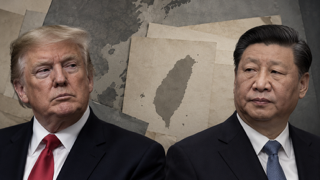
La coincidenza ha inevitabilmente alimentato anche le interpretazioni di chi legge quanto accaduto a Ceuta nel quadro delle difficili relazioni tra Pedro Sánchez e Donald Trump. Ma, allo stato attuale, non esistono prove pubbliche che permettano di collegare Washington agli avvenimenti del 30 luglio. La suggestione geopolitica non può essere confusa con un fatto.
Anche la NATO entra inevitabilmente nel dibattito. La posizione di Ceuta e Melilla rispetto alla garanzia di difesa collettiva è da tempo oggetto di discussione, anche per la delimitazione geografica contenuta nell’articolo 6 del Trattato Atlantico. Madrid insiste sul principio di una sicurezza dell’Alleanza «a 360 gradi». In Spagna è inoltre tornata la richiesta di rendere più esplicita la protezione delle due città.
E poi c’è l’Unione Europea.
Ceuta e Melilla sono territorio spagnolo e quindi parte dell’Unione, pur con uno status particolare. Per Bruxelles rappresentano anche una frontiera esterna. Dopo la crisi, i ministri dell’Interno europei si sono riuniti d’urgenza.
Ma anche qui ritorna lo stesso paradosso: per proteggere quella frontiera, Spagna ed Europa hanno bisogno della collaborazione del Marocco, il paese che ne contesta la sovranità.
Si può discutere di NATO, sicurezza europea, migrazioni, Washington e nuovi equilibri nel Mediterraneo. Si può continuare, come Madrid e Rabat hanno fatto per decenni, a mettere tra parentesi la questione territoriale per salvaguardare una relazione troppo importante per entrambi.
Ma la geografia resta quella che è.
Ceuta e Melilla si trovano sulla costa africana. Per la Spagna sono parte integrante del territorio nazionale. Per il Marocco rappresentano una questione di integrità territoriale ancora aperta. Due posizioni opposte che settant’anni di diplomazia hanno consentito di gestire, non di conciliare.
E forse è questo che il 30 luglio ha riportato alla superficie.
Ma c’è un’ultima contabilità, più importante di quella geopolitica.
Quella delle vite.
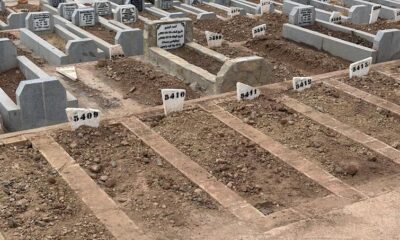
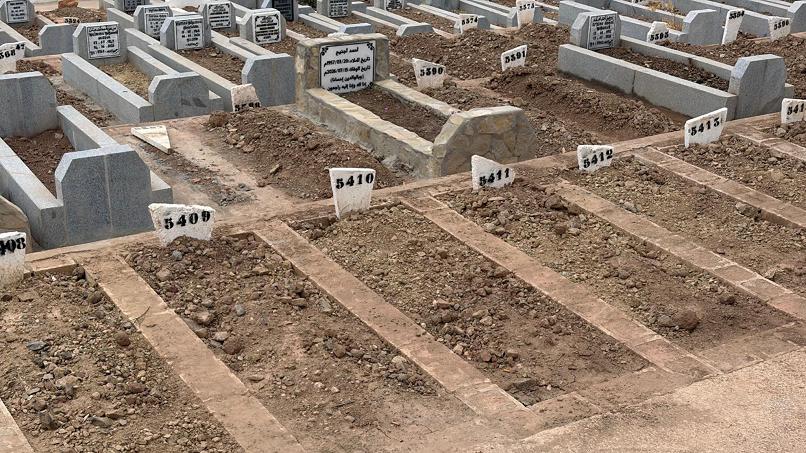
Almeno 75 persone sono morte durante la crisi, secondo l’ultimo bilancio comunicato dalle autorità. Molte sono annegate tentando di raggiungere Ceuta. Centinaia di minori sono rimasti dall’altra parte della frontiera, mentre in Marocco alcune famiglie continuano a cercare figli e parenti di cui hanno perso le tracce.
Probabilmente quelle persone non sapevano nulla dell’articolo 6 della NATO. Non avevano letto la Costituzione marocchina né il rapporto del Congresso americano. E difficilmente pensavano agli equilibri strategici dello Stretto mentre entravano in acqua.
Cercavano semplicemente di arrivare dall’altra parte.
È forse questa l’unica certezza di una crisi ancora piena di domande: gli Stati possono discutere per decenni di confini, sovranità e geopolitica. Ma quando quelle frontiere diventano terreno di scontro, il prezzo più alto continua a essere pagato dalle persone.
Zouhir Louassini
Rainews 24 (06/08/2026)